Plasterboarding and dry lining in Teesside
Boarding a room out in Teesside costs £200 to £400 in 2026 before the finish coat, or £500 to £1,000 boarded and skimmed together. Dot and dab onto masonry, screwed to stud and ceiling joists, with insulated or moisture-resistant board where the room needs it.
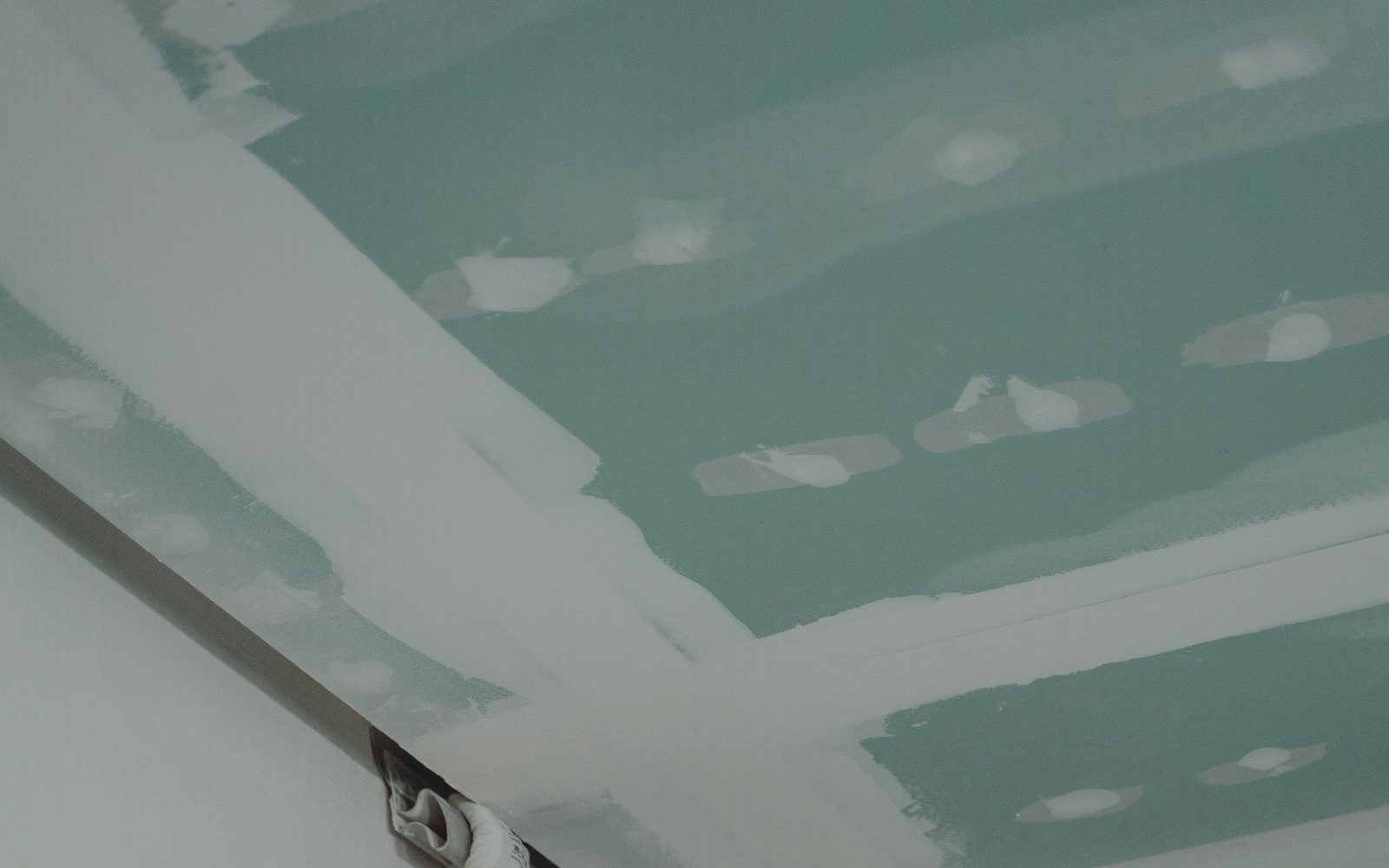
New surface instead of old
Dry lining replaces the wall surface rather than repairing it. Boards go up either stuck to masonry on dabs of adhesive, or screwed to timber studwork and ceiling joists, and the joints are then taped and skimmed. It is the standard answer when the existing plaster is too far gone to save, when a solid wall is cold and lumpy, when a new stud partition splits a bedroom, and when a ceiling has cracked along every lath line. Every house built on the Ingleby Barwick and Coulby Newham estates since the eighties is dry lined already, which is why the walls sound hollow when you knock a picture hook in.
Where boarding earns its keep
- Failed backing plaster: hacking off and re-rendering a whole wall in sand and cement is slow and heavy. Dabbing board over a stripped wall is quicker, drier and often cheaper.
- Lath and plaster ceilings: common in the older terraces at Middlesbrough, Hartlepool and Saltburn. Once the keys have gone the honest fix is to pull it down and over-board.
- New stud walls: splitting a large bedroom, closing off an old doorway, or forming a cupboard or en suite.
- Insulated board: thermal laminate on cold external walls, most obviously the solid-brick terraces and older gables with no cavity to fill.
- Moisture-resistant and fire board: bathrooms, en suites and utility rooms, and the garage ceiling under a room above.
What moves the price
The number of boards and how awkward they are to hold: a ceiling costs more than a wall for the same area because everything is overhead. Stud partitions carry the timber and the extra labour of framing, noggins and door openings. Insulated laminate board costs several times plain board per sheet, so a thermal upgrade to one gable is a different conversation from lining a dry internal wall. Access counts as well, and so does what comes off first: stripping a lath ceiling into bags is a dirty half-day before a single board goes up. Most people then take the skim in the same visit, which is where the £500 to £1,000 combined figure comes from.
Doing it so it does not crack
Boards want to move, and cracks show up at the joints when the detail is rushed. Good work stagger the joints rather than lining them up, leaves a small gap at the floor so the board is not standing in damp, screws at the right spacing without breaking the paper face, and tapes every joint and internal angle with scrim before the finish coat. Around a chimney breast or against an old wall, a bit of bonding and a proper bead beats trying to feather plaster onto nothing.